.svg)

Understanding Fluoride: The Shield for a Strong, Healthy Smile
Understanding Fluoride: The Shield for a Strong, Healthy Smile

Understanding Fluoride: The Shield for a Strong, Healthy Smile
Understanding Fluoride: The Shield for a Strong, Healthy Smile
Published on
December 10, 2025
Funding for content provided by Bayer®
Funding for content provided by Bausch + Lomb


In this article:
Thank you! Your submission has been received!
Oops! Something went wrong while submitting the form.
Jump to a section:
Thank you! Your submission has been received!
Oops! Something went wrong while submitting the form.
“Should I be using fluoride?” If you’ve been asking yourself this lately, you’re not alone. With so many social media posts, shifting headlines, and even local conversations about water systems, people are asking more questions than ever about fluoride and oral health.
Here’s the reassuring news from dental and health experts: Yes. Fluoride, found in many OTC products like toothpaste and mouthwash, has been safely used for more than 70 years to help prevent cavities and is backed by the American Dental Association (ADA), the National Dental Association (NDA), and the U.S. Public Health Service. Brushing and cleaning between your teeth every day make these benefits even stronger, helping you maintain a healthy smile at any age.
This guide will help cut through the noise and clear up the confusion, separating facts from fiction so you can make confident choices for yourself, your children, or your whole family.
What Parents Need to Know
What exactly is fluoride?
Fluoride is a naturally occurring mineral found in soil, water, and some foods and beverages. It strengthens tooth enamel (the hard, protective outer layer of your teeth), and helps protect against cavities, tooth loss, and gum disease. Fluoride works by:
- Repairing early signs of tooth damage (also called remineralization)
- Making teeth more resistant to acids from bacteria and sugar
Is fluoride safe for children?
Yes. Fluoride is safe for children when used in the recommended amounts (see chart below). It helps protect their thinner, still-developing enamel from cavities. This matters because early tooth decay can progress quickly in children, causing pain, missed school, infections, and impacts on overall development.
Tooth decay is also one of the most common chronic childhood health issues, affecting about 1 in 4 preschoolers, with children from low-income families twice as likely to develop cavities.
Using fluoridated oral care products as directed can help prevent cavities and protect both baby teeth and adult teeth.
The American Academy of Pediatrics (AAP) and ADA recommend starting fluoride toothpaste as soon as the first tooth erupts—typically around 6 months—to begin protecting developing enamel immediately.
How much fluoride toothpaste should my child use?
- Under age 3: A tiny smear – about the size of a grain of rice
- Ages 3–6+: A pea-sized amount
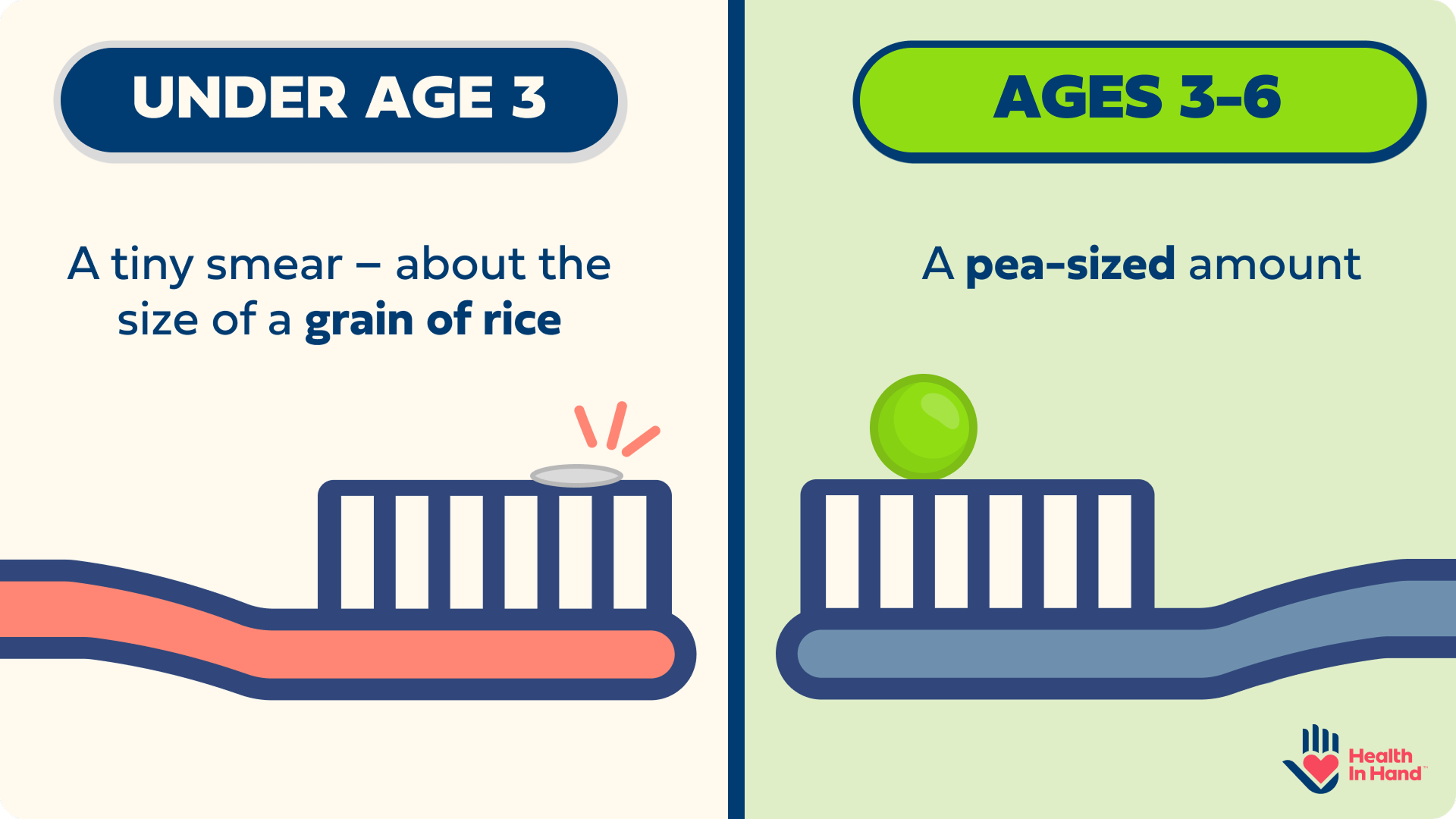
Always help young children brush and encourage them to spit out extra toothpaste instead of swallowing it.
Between online trends, misinformation, and clickbait content, it’s easy to come across mixed messages about fluoride. Let's clear up the confusion with straightforward answers to common questions young adults may be asking.
If fluoride is safe, why am I getting mixed messages in my feed?
Online health information can be all over the map, so it’s understandable to see and hear mixed messages. The scientific picture, though, is clear: fluoride supports strong enamel and helps prevent cavities. That’s why it’s commonly found in OTC toothpaste and mouth rinses and is recommended by dentists and public health experts.
Do I really need fluoride toothpaste, or is fluoride-free okay to use?
Fluoride-free toothpaste can help clean your teeth, but it doesn’t strengthen enamel or prevent against cavities the way fluoride does. If cavity protection is your priority — especially if you enjoy soda, energy drinks, sugary snacks, or occasionally skip cleaning between teeth — using fluoride toothpaste provides added protection backed by decades of research.
Is fluoride harmful in the long term?
No. Fluoride in toothpaste and mouthwash/mouth rinses is considered safe for long-term use when used as directed and has been reviewed by the FDA and other health authorities for decades.
What we do know is that going without fluoride increases the risk of developing cavities, which can lead to serious and costly dental problems later. Protecting your enamel now supports better oral health over time.
Your future self may appreciate that daily choice: dental care is one of the costliest healthcare expenses adults face, with Americans spending over $170 billion each year. Using fluoride is a simple, effective way to help reduce the chances of discomfort, treatment, and unexpected costs down the road.
My town removed fluoride from the water. Does that mean fluoride toothpaste is unsafe?
No. Decisions about community water systems and the safety of fluoride toothpaste are completely separate. Towns may change their water systems for reasons like cost or infrastructure needs, not because fluoride in oral care products has become unsafe.
Fluoride toothpaste is reviewed by the FDA and works topically, meaning it strengthens the surface of your teeth and isn’t meant to be swallowed. It remains a safe, effective, and dentist-recommended tool you can use daily to strengthen enamel and prevent cavities, regardless of whether your town adds fluoride to the water.
Important Update: Acetaminophen
There’s been a lot of talk recently about misleading claims that taking acetaminophen during pregnancy can cause autism. We’ve pulled together some FAQs and answers to help families.
Learn more and get the facts about acetaminophenUsing OTC Fluoride Products Safely and Effectively
Do:
- Brush twice daily with fluoridated toothpaste, using the recommended amount for your age group, and clean between your teeth every day.
- Spit out extra toothpaste after brushing—fluoride works on the surface of your teeth, not inside your body.
- Talk to your dentist if you or your child has a high risk of cavities.
- Use fluoride mouth rinses as directed. These can help older kids, teens, and adults who are cavity prone. (Children under 6 should avoid rinses unless advised by a dentist.)
- Look for the ADA Seal of Acceptance on toothpaste products to ensure safety and effectiveness.
Don’t:
- Swallow toothpaste or mouthwash — fluoride works on the surface of your teeth.
- Assume social media posts are accurate without checking a trusted health/medical/dental source.
- Rely only on fluoride-free or “natural” toothpaste for cavity prevention.
- Use fluoride rinses for young kids unless your dentist advises it.
What about fluoride supplements?
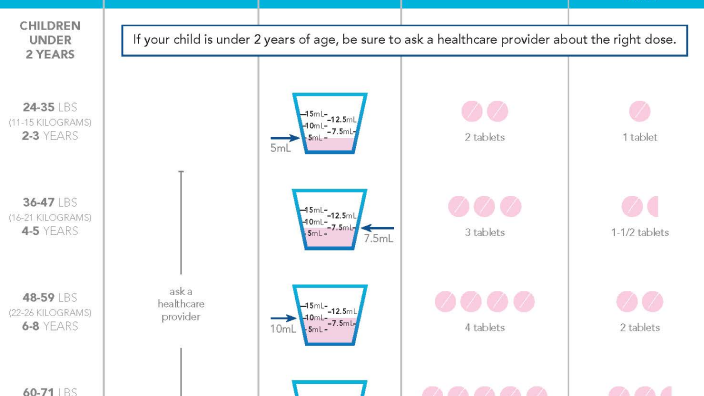
Fluoride supplements (drops or tablets) are used only in specific situations and only when recommended by a dentist or pediatrician – usually for young children who don’t have access to fluoridated water or who are at high risk of dental cavities. The AAP and ADA affirm their safety and effectiveness when used appropriately. The key difference is that supplements are ingested, while OTC toothpaste and mouth rinses work topically on the surface of the teeth.
A NOTE ABOUT DYE-FREE PRODUCTS: Dye-free medications and supplements are a great option for individuals who prefer or require products without dyes, such as those with allergies, sensitivities, or personal preferences. Importantly, both dye-containing and dye-free options are held to the same rigorous safety and quality standards. If you’re unsure which is right for you or your family, talk to your pharmacist or healthcare provider. They can help you choose the option that best suits your needs.
Fluoride Alternatives
Fluoride remains the gold standard in cavity prevention. It strengthens enamel, helps repair early damage (remineralization), and has decades of high-quality research to back it up. As interest in 'natural' oral care grows, several fluoride-free alternatives have become popular. Here’s what we know about them:
Hydroxyapatite (HA or HAp) & Nano-Hydroxyapatite (nHA or nHAp)
- What it is: A naturally occurring mineral (calcium phosphate) that makes up approximately 97% of your tooth enamel.
- How it works: Helps fill tiny defects in your tooth enamel and supports remineralization by directly replacing lost minerals.
- Evidence: Studies suggest it can help with early enamel repair, but current research shows it is most effective when used along with fluoride, not as a replacement to fluoride.
Xylitol
- What it is: A sugar alcohol commonly found in gums, mints, and some oral care products.
- How it works: Disrupts the metabolism of cavity-causing bacteria, reducing acid production and plaque buildup.
- Evidence: It may help lower bacteria and plaque acidity, but it does not rebuild or protect enamel the way fluoride does. Xylitol is best used as a supplement to, not a replacement for, fluoride.
Calcium & Phosphate-Based Agents
- What they do: Help support saliva production and maintain a healthy/normal mineral balance in the mouth.
- Limitations: They can be a useful part of overall oral health, but they are not proven to prevent cavities and do not provide/have the enamel strengthening or acid-resistance benefits of fluoride.
Additional Tips for Maintaining Oral Health
In addition to using fluoride products, maintaining a balanced diet that’s low in sugary foods and drinks can greatly reduce your risk of tooth decay. Fluoride-free products can be a part of your oral health care routine, but they don’t provide the same proven cavity protection as fluoride. And remember, good oral health supports overall well-being.
The best way to maintain strong, healthy teeth is a combination of:
- Using fluoride-containing dental products as directed
- Practicing good oral hygiene on a daily basis
- Visiting your dentist regularly
- Limiting sugary and acidic foods and beverages
Whether you’re making decisions for yourself, your child, or your whole family, understanding the safety and benefits of fluoride helps you protect your oral health — and your smile — for a lifetime.
References:
- http://www.washingtonpost.com/wp-dyn/content/article/2005/09/30/AR2005093001998.html
- http://www.mayoclinic.com/health/drug-information/DR602285/DSECTION=precautions-
- http://www.drugs.com/drug-interactions/multivitamin.html
- http://www.naturemade.com/resource-center/articles-and-videos/immune-health/timing-your-vitamins
- http://www.nlm.nih.gov/medlineplus/druginfo/natural/912.html
- http://ods.od.nih.gov/factsheets/VitaminA-HealthProfessional/
- http://www.prevention.com/food/healthy-eating-tips/your-breakfast-giving-you-cancer
- http://ods.od.nih.gov/factsheets/Iron-HealthProfessional/
- http://www.ag.ndsu.edu/pubs/yf/foods/fn1607.pdf
- http://www.fda.gov/Food/DietarySupplements/UsingDietarySupplements/ucm110567.htm
Safe Use Tips & Takeaways
Heart Health Takeaways
Frequently Asked Questions (FAQ)
What is fluoride?

Fluoride is a natural mineral found in water, soil, and some foods. It strengthens your enamel, repairs early signs of damage, and makes teeth more resistant to acids from bacteria and sugar.
Is fluoride toothpaste still the most effective option, or are fluoride-free formulas just as good?
Fluoride is still the gold standard for cavity protection. Fluoride-free options can clean your teeth, but they don’t offer the same enamel-strengthening power.
Is fluoride safe for daily use?
Yes. When used as directed, fluoride is safe and effective. It’s been trusted and recommended by major health organizations for over 70 years.
How does fluoride actually protect teeth?
It strengthens enamel, repairs early signs of decay through remineralization, and makes teeth more resistant to acids from bacteria and sugary foods.
Are there any risks to using fluoride long-term?
The main risk—especially for young kids—is swallowing too much, which can lead to mild fluorosis (faint white streaks on teeth). Using the right amount prevents this. For parents, supervise brushing to ensure kids spit out the toothpaste and don't swallow it.
At what age should kids start using fluoride toothpaste?
As soon as the first tooth appears!
* Under 3 years: a tiny rice-sized smear
* Ages 3–6+: a pea-sized amount
Supervise brushing so they don’t swallow it.
* Under 3 years: a tiny rice-sized smear
* Ages 3–6+: a pea-sized amount
Supervise brushing so they don’t swallow it.
Is fluoride still safe and recommended for kids with all the claims online?
Yes. A lot of online claims can be confusing, but decades of research show fluoride is safe and strongly recommended for cavity prevention when used properly.
How much fluoride should my child get from toothpaste?
Use age-appropriate amounts and brush twice a day. If your water isn’t fluoridated, ask your dentist about additional options.
How do I know which kids’ toothpaste claims are real and not just marketing?
Check for the ADA Seal of Acceptance and choose brands your dentist recommends.
Do fluoride-free or “natural” toothpastes protect kids from cavities?
They can help clean teeth, but they don’t provide the same cavity protection as fluoride toothpastes.
Are fluoride-free toothpastes just as effective for adults?
Not for cavity prevention. Fluoride-free toothpastes can help with cleaning and freshening breath, but they do not protect against cavities the way fluoride does. For adults, or anyone who is prone to cavities, fluoride toothpaste remains the most effective option for preventing tooth decay.
Do fluoride alternatives like nano-hydroxyapatite (nHAp) make a difference?
Yes—nHAp can help with sensitivity and early enamel repair. But it hasn’t matched fluoride’s cavity-prevention strength in studies.
How do I compare fluoride vs. fluoride-free options if I have sensitivity or enamel wear?
Fluoride is best for strengthening enamel and cavity prevention. nHAp may help with sensitivity and enamel repair. Some people benefit from using both in a balanced routine. Talk to your dentist about what's right for your specific needs.
Are whitening toothpastes safe to use with fluoride or fluoride-free products?
Most are safe but can be abrasive. Choose gentle formulas and avoid using them every single day—especially for kids.
What should I look for when choosing an OTC toothpaste?
Pick products with proven active ingredients (like fluoride), check for the ADA Seal of Acceptance, and avoid unnecessary additives or sweeteners.
Does fluoride affect hormones or the brain?
No credible scientific evidence shows fluoride at levels used in toothpaste or properly fluoridated water (0.7 mg/L) disrupts hormones or causes neurodevelopmental harm.
What should I do if my community stops adding fluoride to the water?
Use fluoridated toothpaste, consider fluoride rinses (for ages 6+), and talk to a dentist about fluoride supplements for kids (if needed).
Do fluoride supplements have side effects?
They’re safe when used under dental guidance and typically recommended for children in areas without fluoridated water or at high risk for cavities.
What’s the best way to make sure I’m getting enough fluoride?
Brush twice daily with fluoride toothpaste, drink fluoridated tap water if available, and ask your dentist for personalized advice if you’re cavity-prone.
Dig Deeper. Learn More.
Here are some other articles you might find helpful.