.svg)


Understanding Consumer Medical Devices
Understanding Consumer Medical Devices
Funding for content provided by Bayer®
Funding for content provided by Bausch + Lomb
In this article:
Thank you! Your submission has been received!
Oops! Something went wrong while submitting the form.
Jump to a section:
Thank you! Your submission has been received!
Oops! Something went wrong while submitting the form.
What is a Consumer Medical Device?
Consumer Medical Devices (CMD) are products that you can buy without a prescription at your local pharmacy, grocery, convenience store, or online. CMDs are used to help treat or prevent common health problems – with no formal medical training required. From toothbrushes and band-aids to hearing aids and pregnancy tests, you may be surprised by how many of these products are available for you to use every day.
Wound Care
These products cover and protect minor cuts, scrapes, and wounds. They are made up of gauze or padding and an adhesive strip to keep them in place. They also come indifferent shapes and sizes with some even having added benefits like antibiotic ointment on the bandage. They can be easily applied, removed, and disposed of to help keep your wound clean and promote healing.
Common Product example:
There are other CMD's available that also keep your cuts, scrapes, and wounds clean while they heal. Some of these products go the extra mile and aid in the removal of scars through the use of patches, sheets, and gels.
Common Product examples:
- ScarAway® Silicone Daily Discs
- New-Skin® Liquid Bandage Sensitive Skin
- Nexcare™ Steri-Strip™ Wound Closure
Hearing Aids
A new entry into the CMD market, these devices are for adults (18+) that suffer from mild to moderate hearing loss. Sales of OTC hearing aids started in late 2022, so be on the lookout for them at your local retail store. In addition to buying in-store, you also have the option to purchase OTC hearing aids online.
Common Product example:
- Nuheara's HP Hearing PRO
Oral Care
Maintaining good oral care is important for your overall health, and there are a variety of CMDs available that can help. Toothbrushes, mouthwash, dental floss, and water flossers are all examples of CMDs and are great options to keep your teeth and gums healthy all year long. There are also CMDs that are specific for denture care, including daily cleaners and adhesive creams.
Common Product examples:
- Oral-B iO™ Series electric toothbrushes
- LISTERINE® Mouthwash
- Colgate® Total™ Mouthwash for Gum Health
- Polident Super Poligrip Original Denture Adhesive Cream
Foot Care
Whether you’re standing for long periods of time at work, or walking an average of 5,000 steps a day, we’re constantly on our feet and that can sometimes lead to aches, pains, and dryness. Luckily, there are many CMDs available to treat your aching feet. Insoles, callus removers, and foot baths are examples of solutions you can purchase to help bring you the relief you need.
Common Product examples:
- Dr. Scholl's® Insoles & Custom Fit® Orthotics
- Dr. Scholl's® Blister Cushions with Duragel® Technology
Eye Care
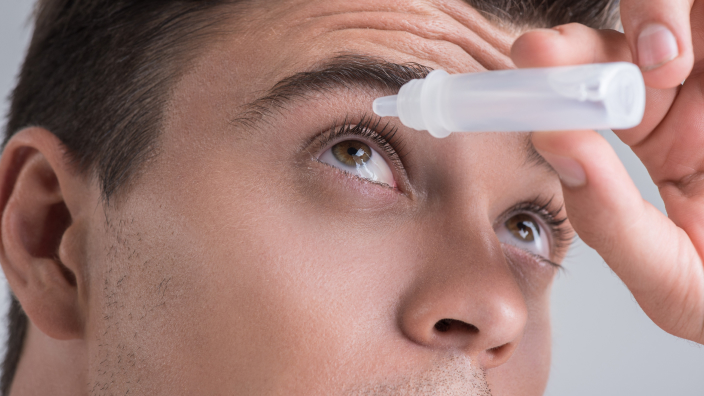
Your vision can be easily impacted by day-to-day activities and lead to all kinds of annoying issues. Dryness from spending too much time staring at a computer screen or being in an air-conditioned space. Red, itchy eyes from seasonal allergies. It’s enough to give you a headache, which is also a side effect. Start seeing clearly again with CMDs like moisturizing eye drops and contact solutions.
Common Product examples:
- VISINE® Eye Drops
- Blink Contacts® Lubricating Eye Drops
- SYSTANE® Dry Eye Drops
- Biotrue® Multi-Purpose Solution
Sleep Health
We all know the importance of a good night’s sleep. Snoring can negatively impact your quality of sleep and those around you too! Nasal strips are a common CMD that relieves nasal congestion and reduces snoring.
Common Product example:
- Breathe Right® Nasal Strips
Feminine Care
As women move through each stage of life, there are CMDs available to help support feminine care and vaginal health. Examples include tampons, pads, menstrual cups, vaginal moisturizers and lubricants, and UTI test kits.
Common Product examples:
- Always® Menstrual Pads
- Tampax® Tampons
- K-Y LIQUIBEADS® Vaginal Moisturizer
- Uristat® Relief Pak
Sexual Health, Pregnancy Prevention, & Fertility
Whether you are looking to start a family or practice safe sex, there are many CMDs available to help support your needs. Digital ovulation and pregnancy tests, condoms, and personal and fertility lubricants are all easily accessible options that can be purchased online or in-store.
Common Product examples:
Nursing
For new mothers, breast pumps are an example of a CMD that serves as a comfortable and convenient option for expressing breastmilk. Some breast pumps are best for moms who will be with their babies all the time and only need to pump milk occasionally. Others are great for moms who will be returning to work and want to continue breastfeeding. Whatever your circumstances may be, there are many different pumps available. Some breast pumps are available through your insurance carrier and are also available in stores and online.
Common Product example:
- Lansinoh® breast pumps
Important Update: Acetaminophen
There’s been a lot of talk recently about misleading claims that taking acetaminophen during pregnancy can cause autism. We’ve pulled together some FAQs and answers to help families.
Learn more and get the facts about acetaminophenHow Are Consumer Medical Devices Regulated?
In the United States, CMDs that are sold in stores and online must be cleared or approved by the U.S. Food and Drug Administration (FDA).
The process called "clearance” is an official review that confirms if a device is safe and effective for people to use, comparing new CMDs to ones that are already on the market to see if they are similar. If the new devices are similar, the FDA will allow them to be sold. “Approved” medical devices are those that may come with a higher risk and must go through a more in-depth review before they can be sold to the public.
A NOTE ABOUT DYE-FREE PRODUCTS: Dye-free medications and supplements are a great option for individuals who prefer or require products without dyes, such as those with allergies, sensitivities, or personal preferences. Importantly, both dye-containing and dye-free options are held to the same rigorous safety and quality standards. If you’re unsure which is right for you or your family, talk to your pharmacist or healthcare provider. They can help you choose the option that best suits your needs.
Safety
Always read the product instructions on the label carefully before using any consumer medical device. Additionally, if you have existing medical conditions or take other medications, it is important to talk to a healthcare provider before using a medical device.
References:
- http://www.washingtonpost.com/wp-dyn/content/article/2005/09/30/AR2005093001998.html
- http://www.mayoclinic.com/health/drug-information/DR602285/DSECTION=precautions-
- http://www.drugs.com/drug-interactions/multivitamin.html
- http://www.naturemade.com/resource-center/articles-and-videos/immune-health/timing-your-vitamins
- http://www.nlm.nih.gov/medlineplus/druginfo/natural/912.html
- http://ods.od.nih.gov/factsheets/VitaminA-HealthProfessional/
- http://www.prevention.com/food/healthy-eating-tips/your-breakfast-giving-you-cancer
- http://ods.od.nih.gov/factsheets/Iron-HealthProfessional/
- http://www.ag.ndsu.edu/pubs/yf/foods/fn1607.pdf
- http://www.fda.gov/Food/DietarySupplements/UsingDietarySupplements/ucm110567.htm
Safe Use Tips & Takeaways
Heart Health Takeaways
What is fluoride?

Fluoride is a natural mineral found in water, soil, and some foods. It strengthens your enamel, repairs early signs of damage, and makes teeth more resistant to acids from bacteria and sugar.
Is fluoride toothpaste still the most effective option, or are fluoride-free formulas just as good?
Fluoride is still the gold standard for cavity protection. Fluoride-free options can clean your teeth, but they don’t offer the same enamel-strengthening power.
Is fluoride safe for daily use?
Yes. When used as directed, fluoride is safe and effective. It’s been trusted and recommended by major health organizations for over 70 years.
How does fluoride actually protect teeth?
It strengthens enamel, repairs early signs of decay through remineralization, and makes teeth more resistant to acids from bacteria and sugary foods.
Are there any risks to using fluoride long-term?
The main risk—especially for young kids—is swallowing too much, which can lead to mild fluorosis (faint white streaks on teeth). Using the right amount prevents this. For parents, supervise brushing to ensure kids spit out the toothpaste and don't swallow it.
At what age should kids start using fluoride toothpaste?
As soon as the first tooth appears!
* Under 3 years: a tiny rice-sized smear
* Ages 3–6+: a pea-sized amount
Supervise brushing so they don’t swallow it.
* Under 3 years: a tiny rice-sized smear
* Ages 3–6+: a pea-sized amount
Supervise brushing so they don’t swallow it.
Is fluoride still safe and recommended for kids with all the claims online?
Yes. A lot of online claims can be confusing, but decades of research show fluoride is safe and strongly recommended for cavity prevention when used properly.
How much fluoride should my child get from toothpaste?
Use age-appropriate amounts and brush twice a day. If your water isn’t fluoridated, ask your dentist about additional options.
How do I know which kids’ toothpaste claims are real and not just marketing?
Check for the ADA Seal of Acceptance and choose brands your dentist recommends.
Do fluoride-free or “natural” toothpastes protect kids from cavities?
They can help clean teeth, but they don’t provide the same cavity protection as fluoride toothpastes.
Are fluoride-free toothpastes just as effective for adults?
Not for cavity prevention. Fluoride-free toothpastes can help with cleaning and freshening breath, but they do not protect against cavities the way fluoride does. For adults, or anyone who is prone to cavities, fluoride toothpaste remains the most effective option for preventing tooth decay.
Do fluoride alternatives like nano-hydroxyapatite (nHAp) make a difference?
Yes—nHAp can help with sensitivity and early enamel repair. But it hasn’t matched fluoride’s cavity-prevention strength in studies.
How do I compare fluoride vs. fluoride-free options if I have sensitivity or enamel wear?
Fluoride is best for strengthening enamel and cavity prevention. nHAp may help with sensitivity and enamel repair. Some people benefit from using both in a balanced routine. Talk to your dentist about what's right for your specific needs.
Are whitening toothpastes safe to use with fluoride or fluoride-free products?
Most are safe but can be abrasive. Choose gentle formulas and avoid using them every single day—especially for kids.
What should I look for when choosing an OTC toothpaste?
Pick products with proven active ingredients (like fluoride), check for the ADA Seal of Acceptance, and avoid unnecessary additives or sweeteners.
Does fluoride affect hormones or the brain?
No credible scientific evidence shows fluoride at levels used in toothpaste or properly fluoridated water (0.7 mg/L) disrupts hormones or causes neurodevelopmental harm.
What should I do if my community stops adding fluoride to the water?
Use fluoridated toothpaste, consider fluoride rinses (for ages 6+), and talk to a dentist about fluoride supplements for kids (if needed).
Do fluoride supplements have side effects?
They’re safe when used under dental guidance and typically recommended for children in areas without fluoridated water or at high risk for cavities.
What’s the best way to make sure I’m getting enough fluoride?
Brush twice daily with fluoride toothpaste, drink fluoridated tap water if available, and ask your dentist for personalized advice if you’re cavity-prone.
Dig Deeper. Learn More.
Here are some other articles you might find helpful.