.svg)

Understanding Mouth Pain & Over-the-Counter (OTC) Solutions
Understanding Mouth Pain & Over-the-Counter (OTC) Solutions
Understanding Mouth Pain & Over-the-Counter (OTC) Solutions
Understanding Mouth Pain & Over-the-Counter (OTC) Solutions
Funding for content provided by Bayer®
Funding for content provided by Bausch + Lomb

In this article:
Thank you! Your submission has been received!
Oops! Something went wrong while submitting the form.
Jump to a section:
Thank you! Your submission has been received!
Oops! Something went wrong while submitting the form.
A dull, aching tooth or a raw sore on your inner cheek can be extremely painful and make it hard to eat or drink. Luckily, over-the-counter (OTC) options for oral care pain relief can help. So can good oral health habits. Here’s what to know.
Identifying Types of Mouth Pain
The first step to oral care pain relief is understanding what might be causing your mouth pain. Several common problems could be the culprit.
Toothaches
Pain in or around your tooth is called a toothache. These pains often happen because of cavities or deeper tooth infections, though a sinus infection, teeth grinding, or broken tooth can also cause pain.
A toothache might cause symptoms like:
- Dull aching pain that doesn’t go away
- Sharp pain
- Throbbing
These can result in sensitivity to hot or cold foods & drinks and swelling .
Gum Pain
Sore gums often result from poor oral care habits, intense flossing or brushing, braces, or gum disease. Gum pain might feel like:
- Puffy or swollen gums
- Tender gums that hurt when you brush, floss, eat, or drink
- Gums that bleed easily
Canker Sores
Canker sores are small, round sores inside your mouth. You might get them after eating spicy or acidic foods, brushing or flossing your teeth too hard, using irritating toothpaste or mouthwash, biting your cheek, or stress.
Canker sores are usually:
- Round or oval in shape
- White or yellow in the center
- Red around the edge
Oral Thrush
Oral thrush is a yeast infection in your mouth caused by Candida albicans fungus. This fungus naturally exists in your mouth, but it can overgrow after you take certain medications, such as asthma inhalers, or if you have certain conditions, such as HIV.
Oral thrush causes:
- Creamy white sores
- Sores on your tongue, inner cheeks, and roof of your mouth
- Burning, redness, and pain inside your mouth
- Cracks in the corners of your mouth
OTC oral care pain relief products can ease discomfort while your mouth heals. Some forms of mouth pain, such as toothaches, may need medical treatment. In these cases, OTC pain relief products are only a temporary fix.
However, canker sores, and other mouth pains often clear up with self-care. Several OTC treatments can relieve symptoms, from mouthwashes and gels to pain relief medications.
Hydrogen Peroxide Rinse
A hydrogen peroxide rinse or mouthwash helps to speed up healing, keep sores clean, and kill bacteria or other germs causing sores and pain in your mouth. Common rinse products include:
- Colgate Peroxyl
- Oral-B Mouth Sore
Benzocaine or Phenol Gel, Sprays, & Liquids
Benzocaine and phenol are examples of topical analgesics or pain relievers you can use for oral pain relief. Common OTC benzocaine and phenol products for your mouth include:
You can apply these products to help with mouth pain:
- On your gums and around your tooth for toothaches (Benzocaine, not phenol)
- Directly on sores inside your mouth
- In the corners of your mouth to ease cracked skin
Sore throat lozenges are another option and may work well for oral thrush, especially if you have sores all over your mouth and throat. These can help soothe pain and make it easier to eat and drink.
Important Update: Acetaminophen
There’s been a lot of talk recently about misleading claims that taking acetaminophen during pregnancy can cause autism. We’ve pulled together some FAQs and answers to help families.
Learn more and get the facts about acetaminophenOther OTC Oral Care Pain Relief Medications
OTC pain relief medications and nonsteroidal anti-inflammatory drugs (NSAIDs) can also ease oral pain when liquids and gels don’t work. Pain relievers, like acetaminophen, can temporarily lessen pain from toothaches and mouth sores, while also lowering a fever.
NSAIDs, such as ibuprofen, help relieve pain and lower inflammation, which may be helpful when you have an infection or pain and swelling. Common pain relief medications include:
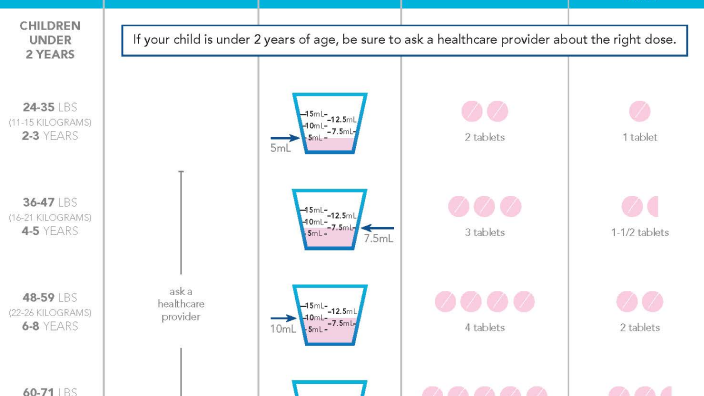
Be sure to follow the Drug Facts label to know how many tablets to take and how often.
When to Talk to a Healthcare Professional
Most mouth sores go away with self-care and don’t need medical treatment. However, make sure you see a healthcare provider for pain or sores that last or worsen to rule out any problems.
As a general rule, see a healthcare provider for:
- Toothaches
- Large or severe mouth sores
- Sores and pain that don’t respond to OTC treatments
- Sores that come back often or last longer than two weeks
- Severe pain
- High fever with a toothache
- Extreme problems eating or drinking
- Trouble swallowing or breathing
A NOTE ABOUT DYE-FREE PRODUCTS: Dye-free medications and supplements are a great option for individuals who prefer or require products without dyes, such as those with allergies, sensitivities, or personal preferences. Importantly, both dye-containing and dye-free options are held to the same rigorous safety and quality standards. If you’re unsure which is right for you or your family, talk to your pharmacist or healthcare provider. They can help you choose the option that best suits your needs.
Preventing Mouth Pain
You can prevent many sores and mouth problems with good oral health practices. Brush your teeth twice daily with fluoride toothpaste. Floss at least once daily and rinse your mouth with a mouthwash. There are several different types of mouthwashes which contain active ingredients intended to reduce or prevent gingivitis, plaque or tooth decay. These practices help control bacteria, remove food debris and plaque buildup, and prevent infections, cavities, and pain.
References:
- http://www.washingtonpost.com/wp-dyn/content/article/2005/09/30/AR2005093001998.html
- http://www.mayoclinic.com/health/drug-information/DR602285/DSECTION=precautions-
- http://www.drugs.com/drug-interactions/multivitamin.html
- http://www.naturemade.com/resource-center/articles-and-videos/immune-health/timing-your-vitamins
- http://www.nlm.nih.gov/medlineplus/druginfo/natural/912.html
- http://ods.od.nih.gov/factsheets/VitaminA-HealthProfessional/
- http://www.prevention.com/food/healthy-eating-tips/your-breakfast-giving-you-cancer
- http://ods.od.nih.gov/factsheets/Iron-HealthProfessional/
- http://www.ag.ndsu.edu/pubs/yf/foods/fn1607.pdf
- http://www.fda.gov/Food/DietarySupplements/UsingDietarySupplements/ucm110567.htm
Safe Use Tips & Takeaways
Heart Health Takeaways
- Canker sores happen inside your mouth and usually have a white or yellow center with a defined red edge.
- Toothaches and gum pain commonly happen from cavities, infections, or poor oral health habits.
- Hydrogen peroxide rinses keep sores clean and kill germs causing sores.
- Benzocaine or lidocaine products ease pain in your mouth.
- Acetaminophen and ibuprofen relieve pain and fevers, while ibuprofen also lowers swelling and inflammation.
- See a healthcare provider if you have severe pain, large sores, high fever, or sores that last longer than two weeks.
What is fluoride?

Fluoride is a natural mineral found in water, soil, and some foods. It strengthens your enamel, repairs early signs of damage, and makes teeth more resistant to acids from bacteria and sugar.
Is fluoride toothpaste still the most effective option, or are fluoride-free formulas just as good?
Fluoride is still the gold standard for cavity protection. Fluoride-free options can clean your teeth, but they don’t offer the same enamel-strengthening power.
Is fluoride safe for daily use?
Yes. When used as directed, fluoride is safe and effective. It’s been trusted and recommended by major health organizations for over 70 years.
How does fluoride actually protect teeth?
It strengthens enamel, repairs early signs of decay through remineralization, and makes teeth more resistant to acids from bacteria and sugary foods.
Are there any risks to using fluoride long-term?
The main risk—especially for young kids—is swallowing too much, which can lead to mild fluorosis (faint white streaks on teeth). Using the right amount prevents this. For parents, supervise brushing to ensure kids spit out the toothpaste and don't swallow it.
At what age should kids start using fluoride toothpaste?
As soon as the first tooth appears!
* Under 3 years: a tiny rice-sized smear
* Ages 3–6+: a pea-sized amount
Supervise brushing so they don’t swallow it.
* Under 3 years: a tiny rice-sized smear
* Ages 3–6+: a pea-sized amount
Supervise brushing so they don’t swallow it.
Is fluoride still safe and recommended for kids with all the claims online?
Yes. A lot of online claims can be confusing, but decades of research show fluoride is safe and strongly recommended for cavity prevention when used properly.
How much fluoride should my child get from toothpaste?
Use age-appropriate amounts and brush twice a day. If your water isn’t fluoridated, ask your dentist about additional options.
How do I know which kids’ toothpaste claims are real and not just marketing?
Check for the ADA Seal of Acceptance and choose brands your dentist recommends.
Do fluoride-free or “natural” toothpastes protect kids from cavities?
They can help clean teeth, but they don’t provide the same cavity protection as fluoride toothpastes.
Are fluoride-free toothpastes just as effective for adults?
Not for cavity prevention. Fluoride-free toothpastes can help with cleaning and freshening breath, but they do not protect against cavities the way fluoride does. For adults, or anyone who is prone to cavities, fluoride toothpaste remains the most effective option for preventing tooth decay.
Do fluoride alternatives like nano-hydroxyapatite (nHAp) make a difference?
Yes—nHAp can help with sensitivity and early enamel repair. But it hasn’t matched fluoride’s cavity-prevention strength in studies.
How do I compare fluoride vs. fluoride-free options if I have sensitivity or enamel wear?
Fluoride is best for strengthening enamel and cavity prevention. nHAp may help with sensitivity and enamel repair. Some people benefit from using both in a balanced routine. Talk to your dentist about what's right for your specific needs.
Are whitening toothpastes safe to use with fluoride or fluoride-free products?
Most are safe but can be abrasive. Choose gentle formulas and avoid using them every single day—especially for kids.
What should I look for when choosing an OTC toothpaste?
Pick products with proven active ingredients (like fluoride), check for the ADA Seal of Acceptance, and avoid unnecessary additives or sweeteners.
Does fluoride affect hormones or the brain?
No credible scientific evidence shows fluoride at levels used in toothpaste or properly fluoridated water (0.7 mg/L) disrupts hormones or causes neurodevelopmental harm.
What should I do if my community stops adding fluoride to the water?
Use fluoridated toothpaste, consider fluoride rinses (for ages 6+), and talk to a dentist about fluoride supplements for kids (if needed).
Do fluoride supplements have side effects?
They’re safe when used under dental guidance and typically recommended for children in areas without fluoridated water or at high risk for cavities.
What’s the best way to make sure I’m getting enough fluoride?
Brush twice daily with fluoride toothpaste, drink fluoridated tap water if available, and ask your dentist for personalized advice if you’re cavity-prone.
Dig Deeper. Learn More.
Here are some other articles you might find helpful.