.svg)

Kids’ Cough, Cold & Flu: Understanding Symptoms and Finding Safe Over-the-Counter Treatment Options
Kids’ Cough, Cold & Flu: Understanding Symptoms and Finding Safe Over-the-Counter Treatment Options
Kids’ Cough, Cold & Flu: Understanding Symptoms and Finding Safe Over-the-Counter Treatment Options
Kids’ Cough, Cold & Flu: Understanding Symptoms and Finding Safe Over-the-Counter Treatment Options
Funding for content provided by Bayer®
Funding for content provided by Bausch + Lomb

In this article:
Thank you! Your submission has been received!
Oops! Something went wrong while submitting the form.
Jump to a section:
Thank you! Your submission has been received!
Oops! Something went wrong while submitting the form.
Kids are chronically busy. Between school, sports, extracurricular activities, and just having fun, they're always on the go and always picking up germs along the way. If your child seems to get a runny nose or cough with every season change and each crowded gathering, you're not alone. Germs can be picked up from every surface and even in the air.
Unfortunately, the fact that kids and germs go hand in hand doesn't make the job of caring for a sick child any easier. Distinguishing between the symptoms of the common cold and other medical conditions is not always clear and finding the right over-the-counter (OTC) medicines for symptom relief is not always easy. Choosing an OTC can feel like a lot when you’re an exhausted parent with a sick kid at home.
Although it might be impossible to completely relax when your child is under the weather, learning more about the common cold and flu symptoms in kids can help. Here, we break down kids’ cold, cough, and flu symptoms and share information about common children's OTC medicine that can help kids find relief.
Symptom Breakdown #1: Cough
Healthy kids can develop a cough seemingly out of nowhere. Often it sounds worse than it is and can be a way for your child to dispel germs, clear mucus, or remove irritants from their airway. The most common causes of children's coughs are viruses like colds, flu, and allergies. Healthy preschool children in daycare can have up to eight (8) viral respiratory infections with cough each year.
As a parent, you've likely recognized that there is more than one type of children's cough. Identifying the type of cough your child has can help you better treat their symptoms. The most common types of kids’ coughs include:
- Mucus Cough or Wet Cough: A wet cough (usually produces green, yellow, or clear mucus)
- Dry Cough: A temporary cough that doesn't produce mucus
- Wheezing Cough: A wheezy, gurgly, or raspy-sounding cough in small children could signal respiratory syncytial virus (RSV).
- Barking Cough: A loud cough that sounds like a bark could be croup, especially if you notice a high-pitched whistle when your child inhales.
- Whooping Cough: Coughing fits accompanied by whooping sounds upon inhaling could be Pertussis (whooping cough). Cough may be followed by gagging or vomiting.
Children's OTC Cough Medicines
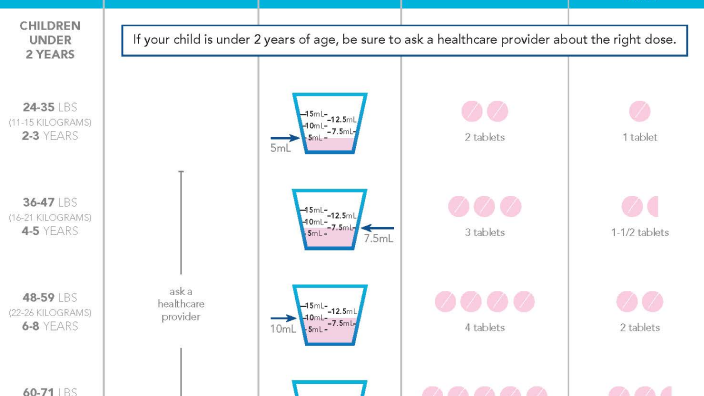
OTC kids’ cough medicines are designed to relieve symptoms and usually have dosage charts related to your child's weight. Cough medicines are rarely used in children under age four and parents should talk with a healthcare professional before giving cough medicine to their child. There are two main types of OTC cough medicines for children.
- Suppressants: Suppressants work by blocking the body's cough reflex. The active ingredient to look for in a medicine to suppress a cough is dextromethorphan.
- Expectorants: Expectorants thin mucus and clear mucus from the airways. They're usually used for a non-productive cough. The active ingredient to look for in a medicine to suppress a cough is guaifenesin.
Other products can also be used to relieve cough symptoms in children. For example, a cool-mist humidifier can relieve croup and persistent coughing.
When to Call a Doctor
Most temporary coughs in children clear on their own. However, certain symptoms of cough can be a bit more serious. Call your child's doctor or seek urgent care if you notice these symptoms.
- Seek emergency care if your child is struggling to breathe
- Take your child to urgent care if you suspect whooping cough
- Call your child's doctor for a cough (especially if accompanied by cold symptoms or fever) that lasts longer than ten days
- Seek emergency care if wheezing with croup isn't alleviated by a cool mist humidifier or steam
- Contact your child's pediatrician for any unexplained cough that lasts longer than two weeks
Important note: Children’s cough and cold products are labeled for children ages 4 years and up and should not be used in younger children. Be sure to check the Drug Facts label to make sure it’s right for your child.
Also called an upper respiratory infection, colds are one of the most common childhood illnesses. Viruses cause colds. However, children may experience cold symptoms with infections like strep throat or sinus infection. Cold symptoms may include:
- irritability
- fever
- congestion
- runny nose
- sore throat
- watery eyes
- sneezing
- cough
- achy muscles
- headaches
- fatigue
- occasionally vomiting or diarrhea
Children's OTC Cold Medicines
The common cold can't be cured. However, OTC children's cold medicines can relieve symptoms. Some cold medicines for kids include:
- Saline nose drops or sprays: Designed to keep nasal passages moist and reduce congestion
- Children's fever reducers: Look for fever reducers like acetaminophen or ibuprofen to treat symptoms of the common cold.
- Nasal Decongestants: Look for nasal decongestants like phenylephrine or pseudoephedrine to treat stuffy noses.
When to Call a Doctor
Cold symptoms can sometimes become dangerous or signal another illness. Contact your child's doctor or seek emergency care for these symptoms:
- severe sore throat that may signal strep
- severe headache
- earache or irritation
- high-pitched or barking cough
- blue lips
- fever of 100.4 degrees in infants under three months or a fever of 102 or higher in children of any age
- your child won't eat or drink
- your child has difficulty breathing- (nostrils widening with each breath, wheezing, fast breathing, ribs showing with each breath, shortness of breath)
- your child has been exposed to known illnesses like strep throat, flu, or COVID-19

Important Update: Acetaminophen
There’s been a lot of talk recently about misleading claims that taking acetaminophen during pregnancy can cause autism. We’ve pulled together some FAQs and answers to help families.
Learn more and get the facts about acetaminophenImportant note: Children’s cough and cold products are labeled for children ages 4 years and up and should not be used in younger children. Be sure to check the Drug Facts label to make sure it’s right for your child.
Symptom Breakdown #3: Flu
Influenza (flu) is a very contagious virus that causes many different symptoms. The flu virus is passed from child to child through sneezing, coughing, or germs picked up from surfaces. Most children experience flu symptoms for a week or less. Kids’ flu symptoms include:
- fever (can reach as high as 103-105 degrees)
- body aches which may be severe
- headache
- sore throat
- cough (often turning severe)
- tiredness (which can be extreme and can linger for weeks)
- runny or stuffy nose
- nausea
- vomiting
- diarrhea
Children's OTC Flu Medicines
While your options for preventing the common cold or related coughs are limited, you can help your child avoid the flu by getting a flu vaccine. OTC medicines to reduce symptoms include:
- Cough medicines like suppressants that include the active ingredient dextromethorphan to suppress coughs or expectorants that clear mucus from the airways and include the active ingredient guaifenesin.
- Saline nose drops or sprays: Designed to keep nasal passages moist and reduce congestion.
- Children's fever reducers: Look for fever reducers like acetaminophen or ibuprofen to treat symptoms of the common cold.
- Nasal Decongestants: Look for nasal decongestants like phenylephrine or pseudoephedrine to treat stuffy noses.
When to Call a Doctor
In some cases, the flu can cause severe symptoms and lead to problems like pneumonia and bronchitis. It's a good idea to contact your child's pediatrician if you suspect they've been exposed to flu. In some cases, antiviral medicine may be prescribed to ease symptoms or shorten the length of the illness. Contact your child's doctor or seek emergency care for these flu symptoms:
- No improvement in symptoms or worsening symptoms
- New symptoms
- Seek emergency care if your child has difficulty breathing
- High fever that doesn't respond to medication
A NOTE ABOUT DYE-FREE PRODUCTS: Dye-free medications and supplements are a great option for individuals who prefer or require products without dyes, such as those with allergies, sensitivities, or personal preferences. Importantly, both dye-containing and dye-free options are held to the same rigorous safety and quality standards. If you’re unsure which is right for you or your family, talk to your pharmacist or healthcare provider. They can help you choose the option that best suits your needs.
Special Considerations About Children's OTC Cough, Cold & Flu Medicine
Children are not small adults, and the medicines designed for them are not diluted adult medications. It's crucial to take special care when providing any medication to children.
- Always use children's-strength medicine for children.
- Do not give cough and cold medicines to children under four years old
- Ask your doctor before giving OTC cold medicine to children ages 4-6
- Only use the dosage instrument (syringe or cup) provided with the medicine.
- Cold and cough medicines can harm children if they get more than the recommended dose or take more than one product containing the same active ingredient.
- Never give products containing aspirin to children.
- Keep all medicines and vitamins up and away, out of the sight and reach of children.
- Homeopathic kids’ cough medicines do not meet FDA requirements for safety and effectiveness.
Choose Kids’ OTC Medicine With Confidence
When your children feel ill, you want nothing more than to help them find relief. You can do just that by arming yourself with knowledge about common kids’ cold and flu symptoms and the distinctions between different OTC medicines. Your kid's next runny nose doesn't have to leave you overwhelmed. The knowledge you gain about common symptoms and treatments can empower you to make an informed choice and ensure your children’s health and safety.
References:
- http://www.washingtonpost.com/wp-dyn/content/article/2005/09/30/AR2005093001998.html
- http://www.mayoclinic.com/health/drug-information/DR602285/DSECTION=precautions-
- http://www.drugs.com/drug-interactions/multivitamin.html
- http://www.naturemade.com/resource-center/articles-and-videos/immune-health/timing-your-vitamins
- http://www.nlm.nih.gov/medlineplus/druginfo/natural/912.html
- http://ods.od.nih.gov/factsheets/VitaminA-HealthProfessional/
- http://www.prevention.com/food/healthy-eating-tips/your-breakfast-giving-you-cancer
- http://ods.od.nih.gov/factsheets/Iron-HealthProfessional/
- http://www.ag.ndsu.edu/pubs/yf/foods/fn1607.pdf
- http://www.fda.gov/Food/DietarySupplements/UsingDietarySupplements/ucm110567.htm
Safe Use Tips & Takeaways
Heart Health Takeaways
What is fluoride?

Fluoride is a natural mineral found in water, soil, and some foods. It strengthens your enamel, repairs early signs of damage, and makes teeth more resistant to acids from bacteria and sugar.
Is fluoride toothpaste still the most effective option, or are fluoride-free formulas just as good?
Fluoride is still the gold standard for cavity protection. Fluoride-free options can clean your teeth, but they don’t offer the same enamel-strengthening power.
Is fluoride safe for daily use?
Yes. When used as directed, fluoride is safe and effective. It’s been trusted and recommended by major health organizations for over 70 years.
How does fluoride actually protect teeth?
It strengthens enamel, repairs early signs of decay through remineralization, and makes teeth more resistant to acids from bacteria and sugary foods.
Are there any risks to using fluoride long-term?
The main risk—especially for young kids—is swallowing too much, which can lead to mild fluorosis (faint white streaks on teeth). Using the right amount prevents this. For parents, supervise brushing to ensure kids spit out the toothpaste and don't swallow it.
At what age should kids start using fluoride toothpaste?
As soon as the first tooth appears!
* Under 3 years: a tiny rice-sized smear
* Ages 3–6+: a pea-sized amount
Supervise brushing so they don’t swallow it.
* Under 3 years: a tiny rice-sized smear
* Ages 3–6+: a pea-sized amount
Supervise brushing so they don’t swallow it.
Is fluoride still safe and recommended for kids with all the claims online?
Yes. A lot of online claims can be confusing, but decades of research show fluoride is safe and strongly recommended for cavity prevention when used properly.
How much fluoride should my child get from toothpaste?
Use age-appropriate amounts and brush twice a day. If your water isn’t fluoridated, ask your dentist about additional options.
How do I know which kids’ toothpaste claims are real and not just marketing?
Check for the ADA Seal of Acceptance and choose brands your dentist recommends.
Do fluoride-free or “natural” toothpastes protect kids from cavities?
They can help clean teeth, but they don’t provide the same cavity protection as fluoride toothpastes.
Are fluoride-free toothpastes just as effective for adults?
Not for cavity prevention. Fluoride-free toothpastes can help with cleaning and freshening breath, but they do not protect against cavities the way fluoride does. For adults, or anyone who is prone to cavities, fluoride toothpaste remains the most effective option for preventing tooth decay.
Do fluoride alternatives like nano-hydroxyapatite (nHAp) make a difference?
Yes—nHAp can help with sensitivity and early enamel repair. But it hasn’t matched fluoride’s cavity-prevention strength in studies.
How do I compare fluoride vs. fluoride-free options if I have sensitivity or enamel wear?
Fluoride is best for strengthening enamel and cavity prevention. nHAp may help with sensitivity and enamel repair. Some people benefit from using both in a balanced routine. Talk to your dentist about what's right for your specific needs.
Are whitening toothpastes safe to use with fluoride or fluoride-free products?
Most are safe but can be abrasive. Choose gentle formulas and avoid using them every single day—especially for kids.
What should I look for when choosing an OTC toothpaste?
Pick products with proven active ingredients (like fluoride), check for the ADA Seal of Acceptance, and avoid unnecessary additives or sweeteners.
Does fluoride affect hormones or the brain?
No credible scientific evidence shows fluoride at levels used in toothpaste or properly fluoridated water (0.7 mg/L) disrupts hormones or causes neurodevelopmental harm.
What should I do if my community stops adding fluoride to the water?
Use fluoridated toothpaste, consider fluoride rinses (for ages 6+), and talk to a dentist about fluoride supplements for kids (if needed).
Do fluoride supplements have side effects?
They’re safe when used under dental guidance and typically recommended for children in areas without fluoridated water or at high risk for cavities.
What’s the best way to make sure I’m getting enough fluoride?
Brush twice daily with fluoride toothpaste, drink fluoridated tap water if available, and ask your dentist for personalized advice if you’re cavity-prone.
Dig Deeper. Learn More.
Here are some other articles you might find helpful.