.svg)

Dietary Supplements: A Buyers Guide for Consumers
Dietary Supplements: A Buyers Guide for Consumers
Dietary Supplements: A Buyers Guide for Consumers
Dietary Supplements: A Buyers Guide for Consumers
Published on
August 5, 2026
Funding for content provided by Bayer®
Funding for content provided by Bausch + Lomb

In this article:
Thank you! Your submission has been received!
Oops! Something went wrong while submitting the form.
Jump to a section:
Thank you! Your submission has been received!
Oops! Something went wrong while submitting the form.
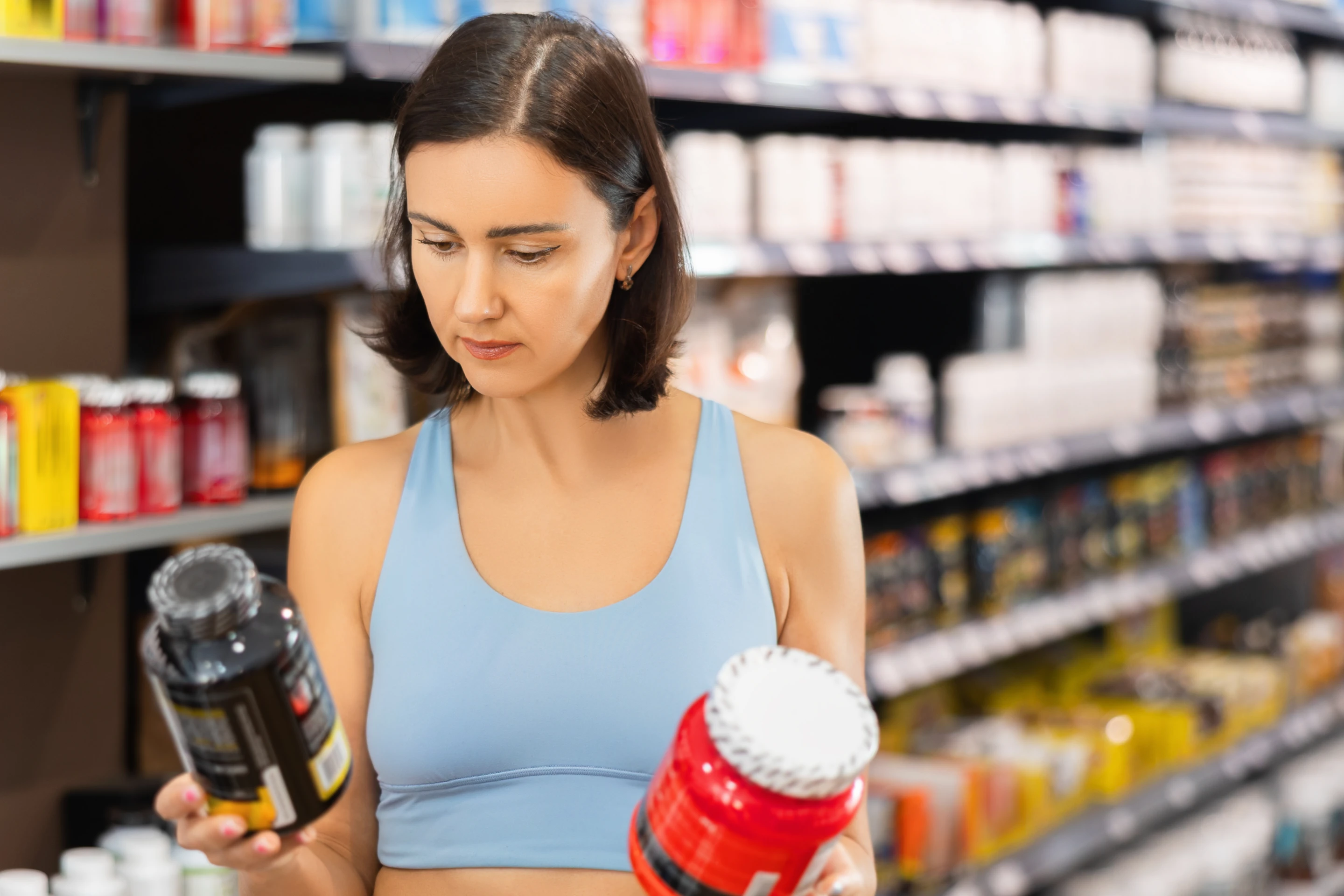
Taking vitamins or other supplements can be great for your health, but how do you know you’re getting a quality product?
While most supplements are safe, a few “bad apples” in the industry may sell products that don’t contain what they should or make wild, untruthful claims. The good news is that most supplements are made by trustworthy companies, and there are simple steps you can take to find quality supplements and avoid scams.
Here’s your easy checklist for being an informed supplement shopper in the United States.
Supplement Shopper Checklist
✅ Check for a ‘Supplement Facts’ label.
Just like food has Nutrition Facts, a quality dietary supplement will list all of its active dietary ingredients and nutrient amounts in a Supplement Facts panel. If a product doesn’t have this box on the label, don’t buy it. In fact, it might not even be a real supplement.
Make sure the label also has the basics:
- the company name and contact info (address/phone)
- serving size
- the number of servings or tablets in the bottle.
Legitimate products often include lot numbers and expiration dates too, for quality control.
Tip: Be wary if the label has spelling errors or looks low-quality. That’s a red flag for counterfeits.
✅ Avoid products that promise miracles.
If it sounds too good to be true, it probably is. No supplement can make you lose 30 pounds in a week, cure diseases overnight, or work like a “magic pill.” Steer clear of anything claiming to treat or cure a health condition (diabetes, cancer, COVID-19, etc.). Supplements aren’t allowed to do that, and those that claim to are breaking the law.
Red flag phrases: “scientific breakthrough!”, “miracle cure”, “instant results”, “#1 cure for ___”. Reputable supplements don’t use extreme hype. They might say “supports heart health,” but they won’t say “reverses heart disease”.
✅ Buy from trusted stores or websites.
Where you shop matters. Prioritize purchasing supplements from well-known pharmacies, supermarkets, or reputable supplement brands. These retailers are more likely to carry properly tested and regulated products and remove any that authorities warn about. Be extra careful buying from unknown online sellers or shady storefronts. Many of the bogus or dangerous supplements that FDA has found were sold exclusively online by unknown companies.
If you’re shopping on big sites like Amazon or eBay, stick to official brand outlets or sellers with high ratings and a long history.
Tip: Watch out for unusually low prices from unfamiliar sellers—counterfeit or expired products might be lurking. It’s worth a few extra dollars to get an authentic product, from a reliable source.
✅ Read the ingredients and fine print.
Before you take a supplement, read what’s in it. The Supplement Facts label is required to list the active dietary ingredients (like vitamin C, calcium, herbal extracts, etc.) and the serving size, e.g.,1 tablet, 2 gummies, etc. It will also list “other ingredients” (binders, fillers, flavorings) – these are needed to form the tablet or preserve it or make palatable, e.g., sweeteners, flavors, etc. If you have allergies or dietary restrictions, check this list (for example, some supplements use soy oil or gelatin capsules). Look for any warnings on the label (like “Not for pregnant women” or “Keep out of reach of children”).
Quality brands are transparent about what’s in their product; if you can’t find an ingredients list, that’s a bad sign. Also, ignore flashy terms like “pharmaceutical grade”, which isn’t an official standard in supplements. Focus on the actual nutrient contents and daily servings, and make sure they align with what you want.
✅ Understand quality seals.
You might see stamps like USP Verified, NSF, Eurofins, or UL on some supplement bottles. These are third-party certifications that verify a supplement for quality. They indicate the product was tested by an independent organization for purity and that it contains what the label says. Choosing a product with one of these seals is a great way to boost your confidence in its quality, but not having a seal doesn’t automatically mean “bad product!” Many quality supplements don’t carry these logos; they might use their own established testing instead. Quality seals are a plus, not a must-have. And remember quality seals don’t guarantee that a product will work or be safe for everyone, it just means the product has been verified for quality.
Bottom line: A seal is a useful indicator of quality, but the lack of a seal doesn’t automatically mean that a product is bad. Remember to consider other factors, health claims, labeling, and source when making purchasing decisions.
✅ Be cautious with certain categories.
Supplements for weight loss, sexual enhancement (like “male performance”), or bodybuilding are the ones that most often get caught with illegal stuff in them. Remember, a dietary supplement cannot contain a drug ingredient. If you’re considering a product that promises extreme weight loss, or a muscle builder that’s “better than steroids,” think twice. These products have a history of being spiked with hidden drugs (for example, steroid-like chemicals or stimulant medications). Products that contain hidden drugs can harm you.
So, for these categories especially, stick to well-known brands or get advice from a healthcare provider, and absolutely avoid anything that claims to be a “legal steroid alternative” or “herbal Viagra®”—those are big red flags.
✅ Watch for warning signs of fakes.
How can you tell if a supplement might be fake or substandard? A few clues: misspelled words on the label (like ingredient names), no contact information for the company, claims that feel illegal (“contains steroid-like ingredients!”), or a label that looks photocopied. If the package looks poorly made or the tablets inside are discolored or odd-looking, be careful. Also, reviews and internet rumors can be misleading. Don’t fall for, “someone on Facebook said this supplement cured her arthritis.” Stick with trustworthy sources of information (like the sources mentioned below).
If you suspect a product is bogus or contaminated, don’t use it. Report it to FDA so they can investigate (through FDA MedWatch). Your health isn’t worth risking on a questionable product.
✅ Let your healthcare providers know which supplements you’re taking.
Keep a list of all supplements that you take and bring it with you to your appointments. This helps healthcare practitioners give you better advice and avoid any potential medication interactions.
Over 75% of people in the US use supplements. It’s important that your providers know everything you take, even vitamins and herbs.
✅ Use credible information resources.
To make informed choices, you need trustworthy information. Instead of trusting a random blog or sales pitch, use reliable sources: The National Institutes of Health Office of Dietary Supplements (ODS) has free fact sheets on most vitamins, minerals, and herbs (just search their site for the supplement name). The FDA website has consumer info on supplements and alerts about dangerous products.
The point is, doing a little homework by reviewing trusted sites can go a long way. And of course, as mentioned, professionals like doctors, dietitians, and pharmacists can be great sources of advice that can be customized just for you.
✅ Manage your expectations.
Supplements can be beneficial; for instance, a calcium + vitamin D supplement can help keep your bones strong and taking folic acid if you’re planning pregnancy helps prevent birth defects. But always remember that supplements are meant to supplement the diet, and do not replace a healthy lifestyle or cure illnesses. Don’t expect a supplement to work like a prescription drug. For example, taking a vitamin E or fish oil capsule isn’t going to immediately fix heart disease, though it might support overall heart health over time. Realistic expectations will protect you from disappointment and falling for fraud.
If a supplement does seem to act like a powerful drug (good or bad), stop and reevaluate. That’s not typical and could mean that the product is spiked with hidden drugs.
Being an educated consumer in the supplement aisle isn’t hard, it just takes a moment to pause and double-check. Examine the label for authenticity, choose products from brands and sellers you trust, keep an eye out for bogus claims or signs of counterfeiting, and ask questions when you’re unsure. By following this checklist, you can confidently pick dietary supplements that are trusted quality to support your health, while avoiding the sketchy stuff.
Remember, most supplement companies are doing the right thing. With these tips, you’ll be able to find them and experience the benefit that quality supplements can provide on your health journey!
Important Update: Acetaminophen
There’s been a lot of talk recently about misleading claims that taking acetaminophen during pregnancy can cause autism. We’ve pulled together some FAQs and answers to help families.
Learn more and get the facts about acetaminophenPlease note: Not every creator is a fraud. Many real healthcare professionals share good health tips online. The goal is to catch the AI-generated and misleading ones, not to doubt everyone.
A NOTE ABOUT DYE-FREE PRODUCTS: Dye-free medications and supplements are a great option for individuals who prefer or require products without dyes, such as those with allergies, sensitivities, or personal preferences. Importantly, both dye-containing and dye-free options are held to the same rigorous safety and quality standards. If you’re unsure which is right for you or your family, talk to your pharmacist or healthcare provider. They can help you choose the option that best suits your needs.
References:
- http://www.washingtonpost.com/wp-dyn/content/article/2005/09/30/AR2005093001998.html
- http://www.mayoclinic.com/health/drug-information/DR602285/DSECTION=precautions-
- http://www.drugs.com/drug-interactions/multivitamin.html
- http://www.naturemade.com/resource-center/articles-and-videos/immune-health/timing-your-vitamins
- http://www.nlm.nih.gov/medlineplus/druginfo/natural/912.html
- http://ods.od.nih.gov/factsheets/VitaminA-HealthProfessional/
- http://www.prevention.com/food/healthy-eating-tips/your-breakfast-giving-you-cancer
- http://ods.od.nih.gov/factsheets/Iron-HealthProfessional/
- http://www.ag.ndsu.edu/pubs/yf/foods/fn1607.pdf
- http://www.fda.gov/Food/DietarySupplements/UsingDietarySupplements/ucm110567.htm
Safe Use Tips & Takeaways
Heart Health Takeaways
What is fluoride?

Fluoride is a natural mineral found in water, soil, and some foods. It strengthens your enamel, repairs early signs of damage, and makes teeth more resistant to acids from bacteria and sugar.
Is fluoride toothpaste still the most effective option, or are fluoride-free formulas just as good?
Fluoride is still the gold standard for cavity protection. Fluoride-free options can clean your teeth, but they don’t offer the same enamel-strengthening power.
Is fluoride safe for daily use?
Yes. When used as directed, fluoride is safe and effective. It’s been trusted and recommended by major health organizations for over 70 years.
How does fluoride actually protect teeth?
It strengthens enamel, repairs early signs of decay through remineralization, and makes teeth more resistant to acids from bacteria and sugary foods.
Are there any risks to using fluoride long-term?
The main risk—especially for young kids—is swallowing too much, which can lead to mild fluorosis (faint white streaks on teeth). Using the right amount prevents this. For parents, supervise brushing to ensure kids spit out the toothpaste and don't swallow it.
At what age should kids start using fluoride toothpaste?
As soon as the first tooth appears!
* Under 3 years: a tiny rice-sized smear
* Ages 3–6+: a pea-sized amount
Supervise brushing so they don’t swallow it.
* Under 3 years: a tiny rice-sized smear
* Ages 3–6+: a pea-sized amount
Supervise brushing so they don’t swallow it.
Is fluoride still safe and recommended for kids with all the claims online?
Yes. A lot of online claims can be confusing, but decades of research show fluoride is safe and strongly recommended for cavity prevention when used properly.
How much fluoride should my child get from toothpaste?
Use age-appropriate amounts and brush twice a day. If your water isn’t fluoridated, ask your dentist about additional options.
How do I know which kids’ toothpaste claims are real and not just marketing?
Check for the ADA Seal of Acceptance and choose brands your dentist recommends.
Do fluoride-free or “natural” toothpastes protect kids from cavities?
They can help clean teeth, but they don’t provide the same cavity protection as fluoride toothpastes.
Are fluoride-free toothpastes just as effective for adults?
Not for cavity prevention. Fluoride-free toothpastes can help with cleaning and freshening breath, but they do not protect against cavities the way fluoride does. For adults, or anyone who is prone to cavities, fluoride toothpaste remains the most effective option for preventing tooth decay.
Do fluoride alternatives like nano-hydroxyapatite (nHAp) make a difference?
Yes—nHAp can help with sensitivity and early enamel repair. But it hasn’t matched fluoride’s cavity-prevention strength in studies.
How do I compare fluoride vs. fluoride-free options if I have sensitivity or enamel wear?
Fluoride is best for strengthening enamel and cavity prevention. nHAp may help with sensitivity and enamel repair. Some people benefit from using both in a balanced routine. Talk to your dentist about what's right for your specific needs.
Are whitening toothpastes safe to use with fluoride or fluoride-free products?
Most are safe but can be abrasive. Choose gentle formulas and avoid using them every single day—especially for kids.
What should I look for when choosing an OTC toothpaste?
Pick products with proven active ingredients (like fluoride), check for the ADA Seal of Acceptance, and avoid unnecessary additives or sweeteners.
Does fluoride affect hormones or the brain?
No credible scientific evidence shows fluoride at levels used in toothpaste or properly fluoridated water (0.7 mg/L) disrupts hormones or causes neurodevelopmental harm.
What should I do if my community stops adding fluoride to the water?
Use fluoridated toothpaste, consider fluoride rinses (for ages 6+), and talk to a dentist about fluoride supplements for kids (if needed).
Do fluoride supplements have side effects?
They’re safe when used under dental guidance and typically recommended for children in areas without fluoridated water or at high risk for cavities.
What’s the best way to make sure I’m getting enough fluoride?
Brush twice daily with fluoride toothpaste, drink fluoridated tap water if available, and ask your dentist for personalized advice if you’re cavity-prone.
Dig Deeper. Learn More.
Here are some other articles you might find helpful.